
Reviewed · MUSEUMS
Museum of Illusions Tour
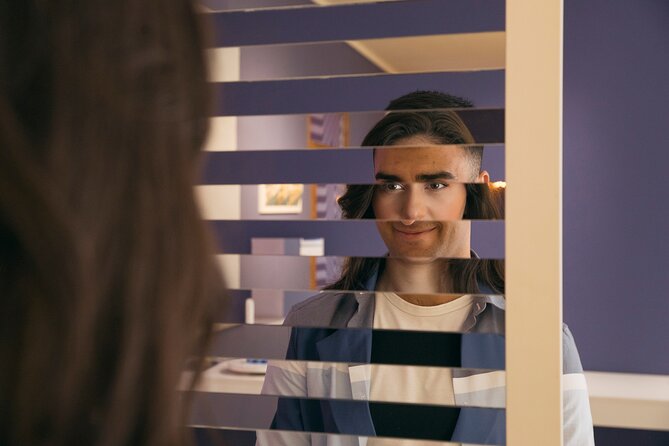
The Museum of Illusions in Gyumri turns a short museum visit into a playful science lesson. More than 60 exhibits challenge your eyes with mirrors, shifting sizes, strange angles, color effects, movement, and objects that seem to float. You are encouraged to test each illusion, take pictures, and then hear how it works.
I like two things most: the English-speaking guide makes the displays easier to understand, and the staff actively help you find the funniest photo angles. The main drawback is the uncertain length. You may finish in about 40 to 50 minutes, or spend closer to 90 minutes if you take your time with pictures and explanations.
Key points at a glance
- More than 60 illusion exhibits: Expect tricks involving light, shadows, color, mirrors, movement, size, and shape.
- A guided science lesson: Your local English-speaking guide explains the reason behind each visual effect.
- Excellent for photos: Staff can suggest poses and camera angles for playful, unusual pictures.
- A short walk from Gyumri’s main square: It fits neatly into a city-center sightseeing day.
- Good value at $12: The admission includes the guided visit, making the price reasonable for a 45 to 90 minute activity.
- Flexible for many ages: Families, couples, groups, solo visitors, and most participants can take part.
What happens inside Gyumri’s Museum of Illusions
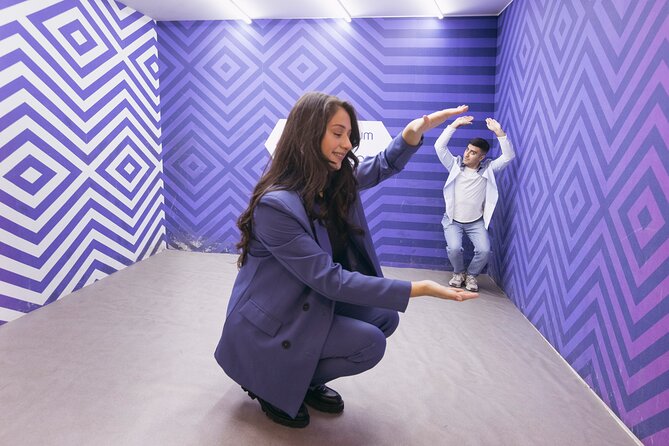
The visit is built around a simple idea: your eyes can give you the wrong answer. Instead of walking past displays and reading labels, you interact with the exhibits, try to work out the trick, and then listen as the guide explains the science.
That format gives the museum more purpose than a room full of photo props. You are not only taking a picture of yourself in an odd position. You are learning how your brain interprets light, distance, scale, reflections, and movement.
Some illusions may make an object appear to levitate. Others can alter the apparent size of a person or make a familiar room seem less reliable. Mirrors and repeated images invite a second look, while color and shadow displays show how easily your vision can be influenced.
The museum does not require specialist knowledge. The guide begins with what you can see, gives you time to guess, and then explains the reason for the effect. That makes the visit accessible for children and adults alike.
More museums and galleries in Armenia:
- Group Tour: Gyumri (Urban Life museum, Black fortress, old town), Harichavank
★ 5.0 · 280 reviews - Yerevan Card Including Free 30+ Museums, 5+ Tours & Discounts
★ 5.0 · 91 reviews - Group Tour: Sightseeing in Yerevan, Erebuni Museum and Fortress
★ 5.0 · 42 reviews
Why the guided format matters
You can understand some visual tricks on your own, but the guide adds the part that turns amusement into learning. After you have tried an exhibit, the explanation helps connect the illusion to basic ideas about perception and the way your mind processes visual information.
The guide also keeps the visit moving. With more than 60 displays, it would be easy to spend too long at one favorite photo station or overlook an exhibit that looks less dramatic at first. A local staff member can show you how to approach each display and point out the details that make the trick work.
The tour is offered in English, which is useful if you want more than a quick look around. Names associated with the friendly museum team include Emily, Anushik, Ruzanna, Seda, Samvel, Anush, and Emilia. Staff members are described as attentive, patient, and willing to explain the exhibits clearly.
That personal help is especially useful for photographs. The best image often depends on where you stand, how you angle the camera, or how you position another person. Rather than leaving you to guess, the staff can suggest ways to make the illusion read properly in the final picture.
The 60-plus exhibits: light, mirrors, size, and movement
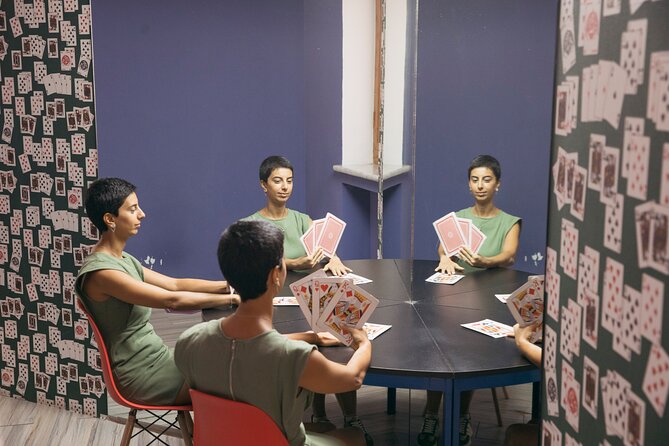
The displays cover several kinds of visual confusion. You may encounter illusions based on:
- Light and shadows
- Color and contrast
- Movement and visual aftereffects
- Changes in size and proportion
- Unusual shapes and angles
- Mirrors and repeated reflections
- Apparent levitation
- Perspective and depth
The variety helps prevent the visit from feeling like one repeated trick. One room may make you question the size of an object, while the next challenges your sense of balance or direction.
The point is not to rush from one display to the next. Give yourself a moment to look before asking for the explanation. The small pause lets you enjoy the surprise, and it makes the science easier to remember.
For children, the hands-on nature is a major advantage. They can look, pose, guess, and test their ideas rather than simply being told facts. Adults get something from it too, especially when a display produces an answer that seems impossible at first.
A photo stop with more substance
You should bring your camera or phone. The museum is designed for pictures, and the staff can help you set up amusing scenes that rely on forced perspective, mirrors, or apparent changes in scale.
The best photos may not come from simply standing in front of an exhibit. Listen to the staff instructions, try the suggested position, and take several shots. A small change in where you stand can make the illusion much clearer.
This is a good place for group pictures because many tricks work best when two or more people interact. Couples can create playful images, and families can take turns trying the same display. Solo visitors can still participate, though you may need help from the staff or another person with the camera.
The photo focus does not replace the educational side. The museum works best when you first enjoy the image, then learn why it looks convincing. You get a souvenir and a small lesson in how easily the human eye can be fooled.
Same drive out of the city, a completely different day:
- Group Tour: Garni, Symphony of Stones, Geghard, Lavash Baking
★ 5.0 · 1,042 reviews - Group Tour: Lake Sevan (Sevanavank), Dilijan (Goshavank, Haghartsin)
★ 5.0 · 1,036 reviews - Group tour: Khor Virap, Noravank, Areni Winery and Cave
★ 5.0 · 651 reviews - Yerevan: Garni, Geghard, Symphony of Stones & Lavash Baking
★ 5.0 · 589 reviews
How long to allow for the visit
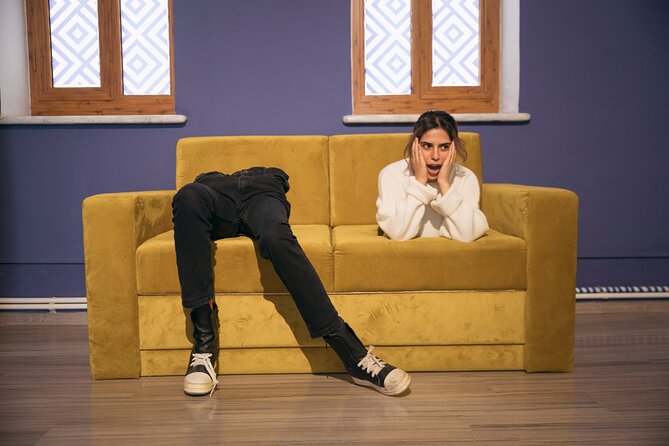
Plan on 45 minutes to 1 hour 30 minutes. The shorter timing is realistic if you move steadily through the exhibits and take only a few photographs. Allow more time if you want detailed explanations, repeat pictures, or a relaxed visit with children.
Several visitors found the experience lasted around 40 to 50 minutes. That makes it easy to add to a day in Gyumri without giving up half your sightseeing schedule.
The longer estimate matters if you are visiting with family or a group. Children may want to repeat favorite displays, while adults may spend extra time trying to get a photo right. Since the museum has more than 60 exhibits, your pace will shape the total visit.
I would avoid planning another activity at the exact end of the stated time. The tour can be quick, but it may also stretch when the group is engaged and the guide is answering questions.
A convenient addition to a Gyumri walking day

The museum is near public transportation and a short walk from the main square. That makes it a practical stop between other central sights rather than an activity that requires a separate outing.
You receive a mobile ticket, and admission is included in the booking price. Confirmation is provided at booking, so you can keep the ticket on your phone rather than arranging a paper voucher.
The available information does not give a precise meeting point beyond the museum itself, so check the booking details before setting out. The main square reference is useful for planning, but you should still allow time to locate the entrance.
The central setting also helps if the weather turns poor. A visit here gives you a compact indoor activity that can fill part of an afternoon without demanding a long transport ride.
Is $12 a fair price?
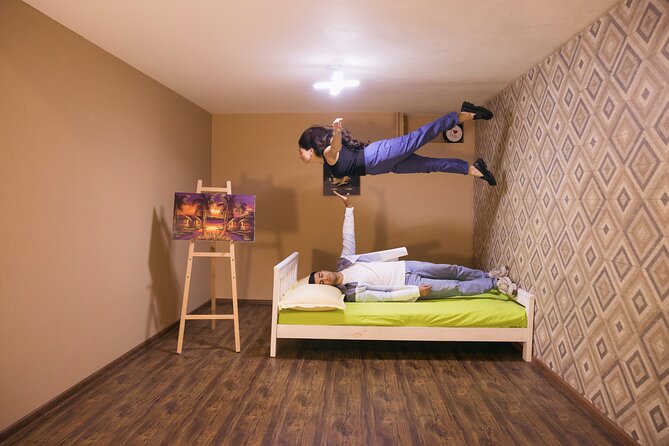
At $12 per person, the museum offers solid value for a guided activity lasting roughly 45 to 90 minutes. The admission covers access to more than 60 exhibits and the explanations from an English-speaking guide.
The value is strongest if you enjoy taking pictures or are visiting with children. A family can share the activity, compare reactions, and make a set of pictures rather than simply viewing a collection behind glass.
It is less compelling if you want a traditional museum with historical objects, long displays, or detailed local culture. This is a science-and-entertainment stop. Its purpose is to make you look twice, laugh at the result, and understand the trick.
The guided explanations also help justify the price. You are not paying only for access to rooms. You are getting help with the exhibits, answers to questions, and practical advice for making the photo effects work.
Who will enjoy this most
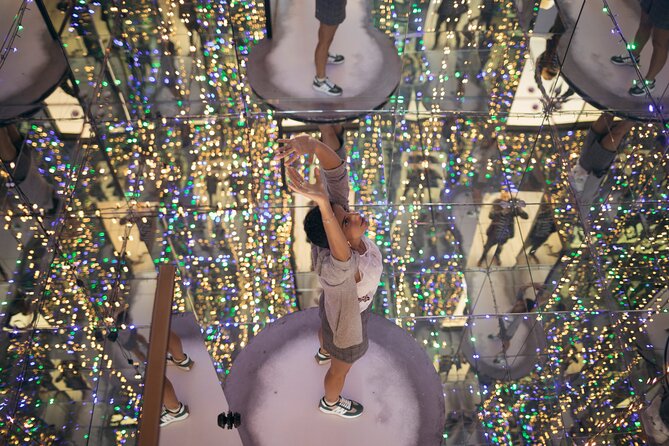
Families with children are an obvious match. The activity suits children around school age because it combines movement, visual surprises, and simple explanations. The museum has also been enjoyed by families with children aged seven and ten.
Couples and friends will like the photo element. Many exhibits give you a reason to pose together, and the staff can suggest ways to make the picture more playful.
Solo visitors can enjoy the displays, especially if they like science or photography. The guide can answer questions, and staff assistance may help with pictures. Still, the social side is stronger when you visit with another person.
The museum also works for mixed-age groups. Children can focus on the fun, while adults can pay closer attention to perception and visual science. Nobody needs advanced knowledge to take part.
Most participants can join, and service animals are allowed. The information provided does not give detailed notes about every physical feature of the museum, so anyone with particular mobility concerns should confirm the details before booking.
The best way to approach each exhibit
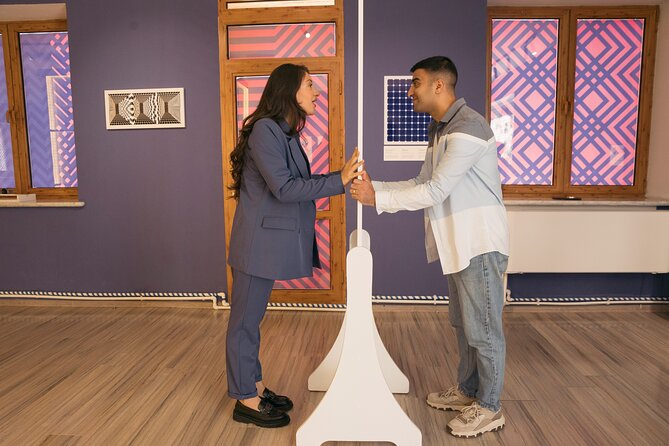
Start by looking at the display without asking for the answer. Try to describe what seems wrong. Is the object too large, too small, tilted, repeated, floating, or changing as you move?
Next, test it. Shift your position, look through the mirror again, or compare the object with something nearby. That small experiment helps you see that the illusion is not magic. It is a carefully arranged effect that depends on your viewpoint and your brain’s assumptions.
Then listen to the guide. The explanation is most useful after you have tried to solve the puzzle yourself. You will understand the reason more clearly, and you are more likely to remember it.
Finally, take the picture. If it does not look right, ask the staff for help. The museum team is part of the experience, and their suggestions can save you from taking a dozen confusing photos.
What the staff add to the visit
The staff receive especially strong praise for being warm, friendly, and patient. That matters here because the museum depends on interaction. A cold or rushed presentation would make the exhibits feel like ordinary props.
Instead, you can ask questions as you go. The guide explains each phenomenon clearly and gives you time to understand it. The staff also help with photo ideas, which is useful when an illusion depends on exact positioning.
Names connected with the museum team include Emily, Anushik, Ruzanna, Seda, Samvel, Anush, and Emilia. You may not meet every member during one visit, but the repeated emphasis on the team suggests a consistent focus on personal attention.
That human touch also gives the museum a local feel. You are not simply moving through a standardized attraction on your own. You are meeting people from Gyumri who help you enjoy the displays and answer your questions.
Limitations to keep in mind
The museum is entertaining, but it is not a full-day attraction. Even with more than 60 exhibits, most visits last under 90 minutes. You should treat it as a lively city stop, not the main activity for an entire day.
The experience is also visual. If you dislike posing for pictures, interactive tricks, or displays that play with perspective, some sections may feel less rewarding. The guided science helps, but the museum remains focused on fun and perception.
The timing can vary. A fast visit may take around 40 to 50 minutes, while a family or photo-focused visit can take much longer. Build in a little space around the activity rather than scheduling a tight connection.
Finally, the attraction does not replace Gyumri’s other sights. It gives you a modern, playful break from more traditional sightseeing. Pair it with time in the city rather than expecting it to explain Armenia or Gyumri in a broader cultural way.
Should you book the Museum of Illusions in Gyumri?
Book it if you want a short, indoor activity with plenty of photo opportunities and simple science. At $12, the combination of 60-plus exhibits, an English-speaking guide, and hands-on explanations makes good sense for families, couples, groups, and curious solo visitors.
I would especially recommend it on a family day in Gyumri, or when you want something light after walking around the main square. The friendly staff, including team members such as Emily, Anushik, Ruzanna, Seda, Samvel, Anush, and Emilia, add real value by explaining the tricks and helping with pictures.
Skip it if you are seeking a quiet historical museum or a long cultural program. Otherwise, it is an easy-to-fit, good-value stop that gives you a few laughs, several unusual photographs, and a better understanding of how your eyes can mislead you.
Free cancellation is available when you cancel at least 24 hours before the start time. Changes or cancellations made within 24 hours are not accepted for a refund, and the cut-off follows local time.
FAQ
How much does the Museum of Illusions Tour in Gyumri cost?
The price is $12 per person. Admission to the museum is included.
How long does the visit take?
The visit takes approximately 45 minutes to 1 hour 30 minutes. Some visits may finish in about 40 to 50 minutes, depending on how long you spend taking pictures and listening to explanations.
Is the tour offered in English?
Yes. The experience is offered in English, with a local guide explaining the illusions and answering questions.
How many exhibits are in the museum?
The museum has more than 60 exhibitions of illusions involving light, shadows, color, movement, size, shape, mirrors, and other visual effects.
Is the museum suitable for children?
Yes. Most travelers can participate, and the experience is suitable for families. Service animals are also allowed.
Can I cancel for a full refund?
Yes, if you cancel at least 24 hours before the experience start time. Cancellations or changes made less than 24 hours before the start time are not accepted for a refund.
Newly listed around Armenia
- Private Yerevan City Tour with museums★ 5.0 · 5 reviews
- Amazing Yerevan★ 5.0 · 7 reviews
- Wine Trip in Yerevan★ 5.0 · 3 reviews
- Vayots Dzor Areni Wine Route★ 3.5 · 3 reviews
- Group Tour: Tsaghkadzor (Kecharis,Ropeway), Lake Sevan, Trout BBQ★ 5.0 · 7 reviews
- Mountaintop Eats★ 5.0 · 7 reviews
- Private tour to Sevan, Dilijan Off-road tour & Horseback riding★ 4.5 · 5 reviews
- Garni Gorge and Azat Reservoir OFF ROAD Tour & Water Sports★ 5.0 · 6 reviews
Museums, compared.
Gyumri (Urban Life museum, Black fortress, old town), Harichavank
Read our review →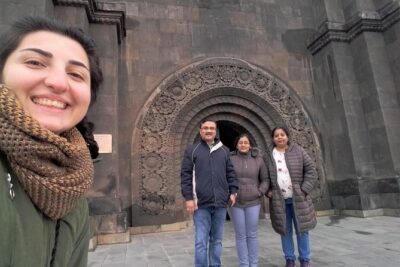
Sightseeing in Yerevan, Erebuni Museum and Fortress
Read our review →
Private Yerevan City Tour: Erebuni, Matenadaran & Tsitsernakaberd Museums
Read our review →
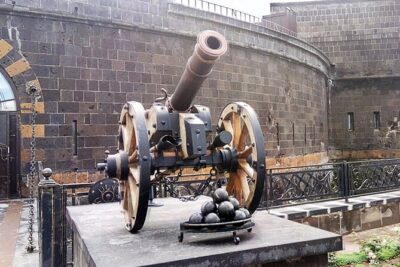
Private tour to Gyumri, Dzitoghtsyan Museum, Black Fortress
Read our review →Browse the lists this tour appears in