
Reviewed · YEREVAN TO TBILISI TRIPS
Armenia – Tbilisi 3 days, 2 nights from Yerevan
Lake Sevan and the medieval monasteries of northern Armenia make a strong opening to this cross-border trip, but Tbilisi is the main prize. In three days, you see two countries, stay overnight in Tbilisi and Alaverdi, and cover sights that are difficult to connect by public transport.
I like the private vehicle for up to three people, which keeps the pace personal and makes the long road sections easier. I also like the mix of grand church monuments, mountain scenery, and city time, from black-stone Sevanavank to the old streets of Tbilisi. The main drawback is the amount of driving: this is an ambitious route, not a slow holiday.
Key points to know before booking
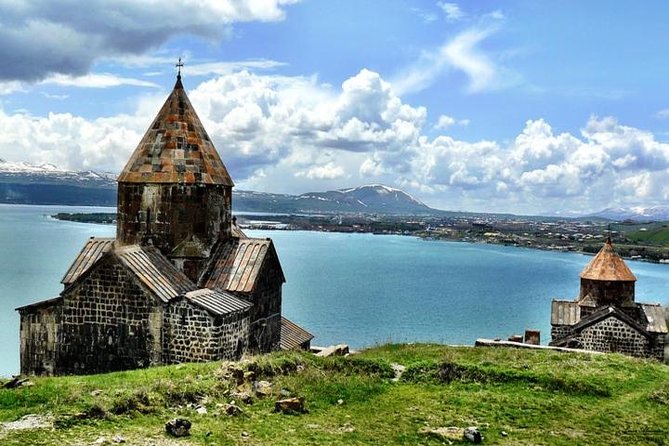
- Lake Sevan opens the trip with Sevanavank, a black-tuff monastery founded in 874.
- Dilijan brings two major monasteries, Haghartsin and Goshavank, into the first day.
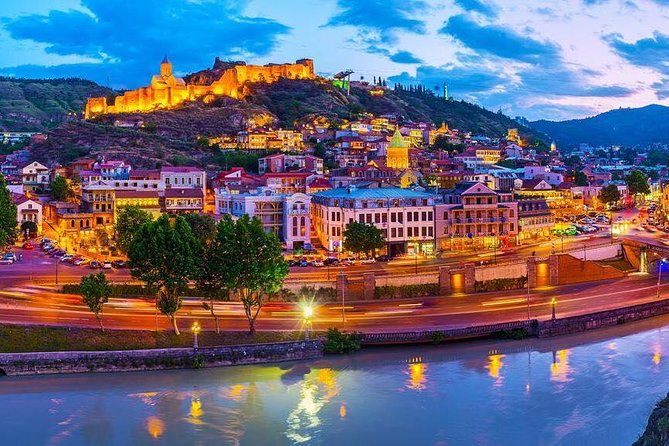
- Tbilisi gets an evening stop and a three-hour city tour, plus an overnight stay.
- Mtskheta connects Georgian religious history with UNESCO-listed monuments, including Jvari and Svetitskhoveli.
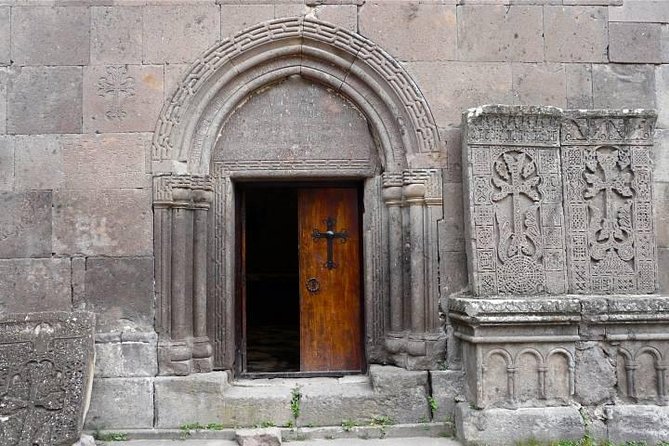
- Haghpat and Sanahin are UNESCO-listed Armenian monasteries, with striking medieval stonework and carved cross-stones.
- The $827 price covers the whole private group of up to three, but not hotels, meals, drinks, lunch, or the Dendropark admission.
Why this Armenia and Georgia route works
This is a compact border-crossing tour for someone who wants a first taste of the South Caucasus without arranging several separate transfers. You begin in Yerevan and travel north through Lake Sevan and Dilijan before reaching Tbilisi. The return route passes through Mtskheta and northern Armenia, ending with Haghpat, Sanahin, Stepanavan, and the Armenian Alphabet Monument.
I like the route because it does not treat Armenia and Georgia as interchangeable. Armenia brings monastery complexes built from dark volcanic stone, carved khachkars, and a strong connection between church and scholarship. Georgia adds Tbilisi’s city setting and Mtskheta’s important Christian monuments.
The tradeoff is simple: you gain range, but you give up time. Several stops are scheduled for only 40 minutes or one hour. That is enough to see the main buildings and hear an explanation, but not enough for a leisurely visit at every site.
The tour is private, and transportation is by air-conditioned vehicle suited to the number of people in your group. Pickup and drop-off at your hotel are included. The experience is priced at $827 per group of up to three, not per person. For three people, that is about $276 per person before hotel and meals. For one person, the same fixed price is much harder to justify.
More runs between Yerevan and Tbilisi:
- Transfer from Yerevan to Tbilisi with 2 sightseeing stops
★ 5.0 · 110 reviews - Yerevan to Tbilisi Private car transfer 3 Scenic stops
★ 5.0 · 25 reviews - Transfer Tbilisi to Yerevan with 2 sightseeing stops
★ 5.0 · 23 reviews
Day one: Sevanavank, Dilijan, and the road to Tbilisi
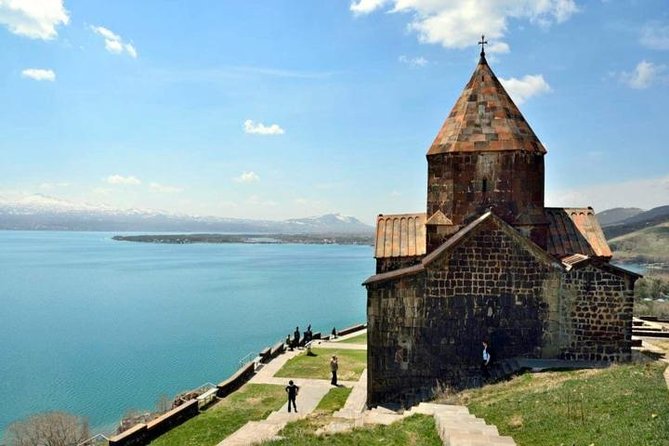
The first stop is Sevanavank, on the northwest side of Lake Sevan. The lake is often called the Geghama Sea, and the monastery is known as one of Armenia’s defining sights. Princess Mariam founded it in 874, and its churches were built from black tuff, a volcanic stone that gives the complex its dark, sturdy appearance.
You have about an hour here. Use it to look closely at the stonework, take in the lake views, and listen to the explanation of how Sevanavank got its name. The setting matters as much as the buildings. This is a good first stop because it gives you Armenia’s highland scenery and medieval religious architecture in one place.
The next part of the day moves into Dilijan, often called Armenian Switzerland. Haghartsin Monastery lies about 13 kilometers northeast of the town, in a wooded setting. Its name means Dance of the Eagles, and the complex contains three churches built between the 10th and 13th centuries.
Haghartsin is scheduled for one hour. I would pay attention to the way the buildings fit into the surrounding hills rather than rushing from one doorway to the next. The stop gives you a change from open Lake Sevan to a more enclosed forest setting.
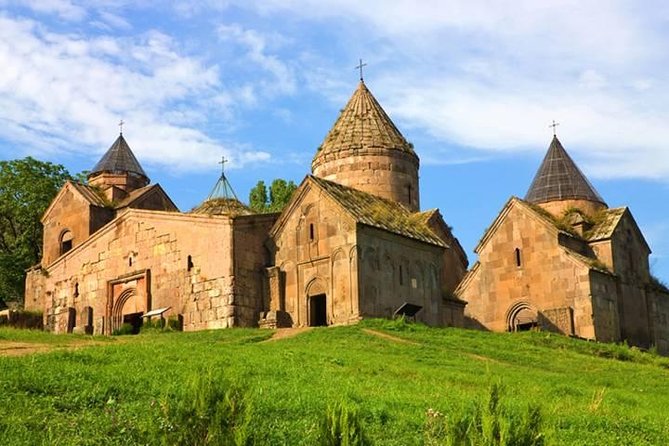
Goshavank follows, with about 40 minutes on site. The monastery was built from 1188 into the late 13th century and became an important religious and scholarly center in medieval Armenia. The shorter visit means you will mainly see the core of the complex and hear its historical importance rather than explore every corner.
After Goshavank, you continue to Tbilisi for the night. The schedule assigns 12 hours to the city, which signals an overnight stay rather than 12 hours of formal sightseeing. The exact amount of free time depends on the road schedule and border crossing, so keep your first evening flexible.
Tbilisi: a useful first look at Georgia’s capital
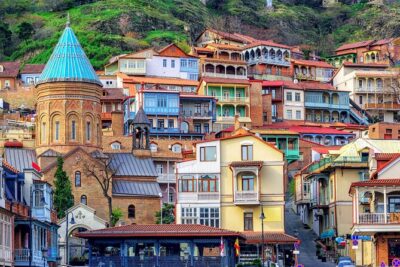
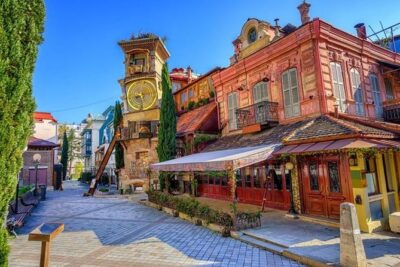
The second day includes about three hours of sightseeing in Tbilisi. The description calls this an observing city tour with visits to the main attractions, but it does not list each one by name. That makes it wise to ask your guide in advance which stops are planned and how much walking is involved.
Tbilisi is the urban contrast to the monasteries. After a day of stone churches and rural roads, you get a city view of Georgia before heading back toward Armenia. Three hours is enough for an overview, but not enough to cover every district or spend long inside museums.
The private format is useful here. You can ask for more time at a place that interests you, though the overall route and border schedule may limit how much the plan can change. The tour offers a guide, but the service can also be arranged without a guide. One booking used drivers Arthur and Alek for transport and casual conversation rather than a formal guided service. If detailed historical explanation matters to you, confirm that a guide is included before departure.
That point is important because the tour summary presents a private guide and vehicle, while the included services specifically confirm transportation. Do not assume that a driver-only booking will provide the same depth of commentary as a guided tour. The driver-only option may suit you if you prefer independent sightseeing and simple transport between stops.
Mtskheta brings Georgia’s oldest Christian sights into focus
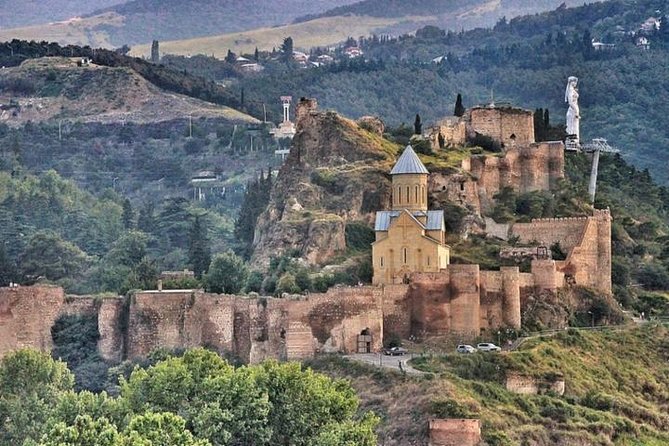
On day two, you visit Mtskheta, founded in the 5th century BC at the meeting point of the Mtkvari and Aragvi rivers. The old city is home to Svetitskhoveli Cathedral and Jvari Monastery, two of Georgia’s key Christian monuments.
You have about two hours here. That is a sensible amount of time for the main sights, though you will still need to keep an eye on the clock. Mtskheta and its major monuments are listed as a UNESCO World Heritage site, so this is one of the most important stops in the Georgian part of the trip.
Svetitskhoveli represents the city’s religious center, while Jvari gives you a separate monastery setting above the river confluence. Together, they help explain why Mtskheta matters beyond its age. This is a place where Georgia’s religious and architectural story comes together in a compact area.
The schedule then returns you to Tbilisi for three hours of city sightseeing before continuing to Alaverdi for the night. That makes day two another long road day. You should expect an early start or a late finish, depending on how the border and driving times play out.
A few more Yerevan days to weigh up
- 3 day private tours in Armenia from Yerevan
★ 5.0 · 19 reviews
Alaverdi, Haghpat, and Sanahin on the return route
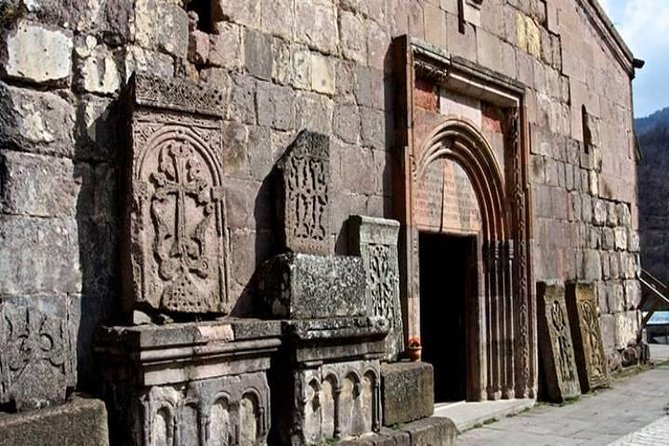
The overnight in Alaverdi positions you well for the northern Armenian monasteries on day three. Haghpat is the first stop, with about one hour to explore.
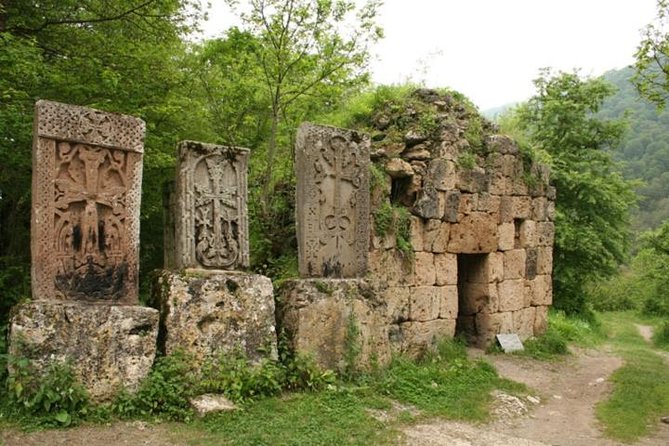
Queen Khosrovanush founded Haghpat in 976, during the reign of King Ashot III. The complex includes a narthex, corridor-sepulchers, a refectory, a scriptorium, the Chapel of Hamazasp, a belfry, chapel-tombs, and khachkars, or carved cross-stones.
I find Haghpat especially worthwhile for visitors who want more than a single church facade. Its buildings show how a monastery worked as a religious, educational, and burial center. The scriptorium is a reminder that Armenian monasteries preserved and produced written culture, not just worship spaces.
Sanahin follows, also with about an hour. It served as the administrative center and family burial place of the Kyurikyan Bagratids in the 10th and 11th centuries. It was also an Episcopal residence until the 11th century.
Haghpat and Sanahin are both on UNESCO’s World Heritage List. Seeing them together is valuable because you can compare two major monastery complexes rather than treating either one as an isolated monument. The one-hour limit at each site keeps the day moving, but it also means you may want to return to one later on a longer Armenia trip.
Stepanavan Dendropark and the Armenian Alphabet Monument
The Stepanavan Sochut Dendropark adds a different kind of stop. Polish engineer-forester Edmon Leonovich established the botanical garden in 1933, and it contains more than 500 plants.
You have one hour there. This break can be welcome after two monastery visits and another stretch of driving. It is also the only listed stop with an admission charge that is not included, so bring extra money for the ticket. The supplied details do not state the price.
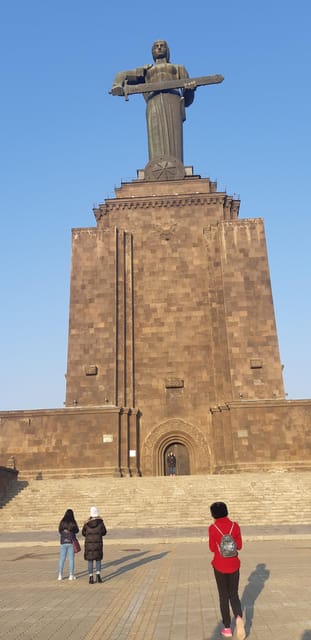
The final stop is the Armenian Alphabet Monument, scheduled for 30 minutes. It marks the creation of the Armenian alphabet by Mesrop Mashtots in 405. The alphabet made the Bible accessible to Armenians and helped spread Christianity.
This is a brief stop, but it gives the trip a strong cultural finish. After seeing monasteries that functioned as places of worship and learning, you end with the writing system that helped preserve Armenian religious and national identity.
Transport, pacing, and physical demands
A private air-conditioned vehicle is included, and pickup and drop-off are provided. That removes the need to piece together buses, border transfers, and regional taxis. It also lets your group keep its own space during long drives.
You should still prepare for a demanding schedule. The tour asks you to visit several monuments across two countries in three days, with overnight stops in Tbilisi and Alaverdi. A moderate level of physical fitness is required. The information does not give a detailed accessibility assessment, so ask the provider about steps, uneven ground, and vehicle access if those points affect you.
Wear smart casual clothing. Since monasteries and churches are part of the route, modest clothing is the sensible choice. Carry your passport every day. Passport name, number, expiry date, and country are required for all participants at booking, and a current valid passport is required on the day of travel.
Food, drinks, and lunch are not included. Hotel accommodation is also not included, even though the route includes overnight stays. Confirm exactly which hotels are being used and budget for two nights, meals, drinks, and the Dendropark entrance.
The experience has free cancellation if you cancel at least 24 hours before the start time. Changes or cancellations inside that period are not accepted for a refund.
Who gets the best value from the $827 price
For three people, the fixed group price can make practical sense. You receive private transport, hotel pickup and drop-off, and a route that links major sights in Armenia and Georgia without arranging separate cross-border travel. The value is strongest for a small group that wants convenience and does not want to drive.
For two people, the price is still defensible if you place a high value on a private vehicle and a tightly organized route. For one person, it becomes expensive once you add hotels, meals, and any guide arrangement.
The tour is best for a first visit, a small private group, and anyone who wants to see major religious monuments in a short window. It is less suited to you if you prefer long museum visits, relaxed meals, or several nights in each city.
Should you book this three-day tour?
Book it if your priority is coverage. In three days, you see Lake Sevan, Dilijan, Tbilisi, Mtskheta, Alaverdi, Haghpat, Sanahin, the Dendropark, and the Armenian Alphabet Monument. Few short trips connect this many important places so directly.
Before paying, confirm three points: the hotel arrangements, the guide versus driver-only service, and the exact Tbilisi sightseeing plan. If you are a group of three and can handle long driving days, this is a practical and culturally focused introduction to Armenia and Georgia. If you want a slower pace, choose a longer trip instead.
FAQ
Where does the tour begin?
The tour begins in Yerevan, Armenia, with hotel pickup included.
How long does the experience last?
The tour lasts three days and includes two overnight stays, one in Tbilisi and one in Alaverdi.
What is included in the price?
The price includes hotel pickup and drop-off and transport in an air-conditioned vehicle suited to the number of participants.
Is hotel accommodation included?
No. Hotel accommodation is not included, even though the route includes overnight stays.
Are meals and drinks included?
No. Food, drinks, and lunch are not included.
Do I need a passport?
Yes. A current valid passport is required on the day of travel. Passport name, number, expiry date, and country are required for all participants when booking.
How many people can join the private tour?
The price covers one private group of up to three people. Only your group participates.
Newly listed around Yerevan
- Private Yerevan City Tour with museums★ 5.0 · 5 reviews
- Amazing Yerevan★ 5.0 · 7 reviews
- Wine Trip in Yerevan★ 5.0 · 3 reviews
- Vayots Dzor Areni Wine Route★ 3.5 · 3 reviews
- Group Tour: Tsaghkadzor (Kecharis,Ropeway), Lake Sevan, Trout BBQ★ 5.0 · 7 reviews
- Mountaintop Eats★ 5.0 · 7 reviews
- Private tour to Sevan, Dilijan Off-road tour & Horseback riding★ 4.5 · 5 reviews
- Garni Gorge and Azat Reservoir OFF ROAD Tour & Water Sports★ 5.0 · 6 reviews
Yerevan to Tbilisi Trips, compared.
Armenia. Akhpat, Dilijan, Sevan, cascad Yerevan from Tbilisi
Read our review →
Yerevan to Tbilisi Private car transfer 3 Scenic stops
Read our review →

Join in group tour-transfer from Yerevan to Tbilisi or vice versa
Read our review →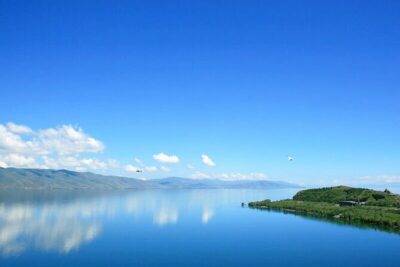
Browse the lists this tour appears in